The Total Casino site Provides Play on Any Device throughout the United Kingdom

I registered an account with Total Casino throughout an extended train journey, entirely assuming the mobile experience to come across as a downgrade https://totalscasino.eu/. My hopes were minimal because I had become familiar with sites that compress the desktop interface into a cramped column of small buttons and delayed animations. Within five minutes of browsing the lobby on my phone, I realised this service was constructed with a fundamentally different philosophy. The layout flowed naturally, the game tiles resized intelligently, and the movement between the sportsbook and the live casino was seamless. That first experience set the tone for a review period that included a notebook, a couple of tablets, and a device I had never played on previously. What I found was a steady technical experience that seldom called attention to itself, which is exactly what good cross-device engineering should accomplish. The absence of friction became the standout characteristic of my time on the site.
The Mobile-Optimized Architecture Behind Total Casino
I started my technical investigation by launching the browser developer tools on my laptop and emulating various screen resolutions. The interface did not simply scale down proportionally like a photograph being shrunk. Instead, the grid structure reconfigured itself, navigation elements collapsed into a discreet hamburger menu, and the game thumbnails adjusted their aspect ratios without losing clarity. This kind of responsive design demands a mobile-first cascading style sheet architecture, where the base code is written for the smallest screen and then upgraded for larger displays through media queries. I detected that touch targets on mobile spanned at least 48 by 48 density-independent pixels, which aligns with accessibility guidelines and prevents mis-taps during fast-paced blackjack rounds. The engineers had clearly prioritised the handheld experience without pushing desktop users to an afterthought, a difficult balance to strike. Load times on a 4G connection stayed under four seconds for the main lobby, critical when players move between Wi-Fi and mobile data throughout the day. The lightweight framework meant my phone never got hot during extended slot sessions, a practical benefit that many reviewers overlook when discussing mobile casino technology.
Progressive Web Application Capabilities
While testing on an Android tablet, I noticed a prompt requesting if I wanted to add Total Casino to my home screen. This indicated the presence of a Progressive Web App manifest, a JSON file that determines how the application appears when launched as a standalone icon. I accepted the prompt and was surprised by how the experience transformed. The browser chrome faded, the loading splash screen presented the brand mark clearly, and the app functioned like a native installation without consuming internal storage for a download. This approach sidesteps the app store review processes and makes sure that players always reach the most current version without manual updates. I later reproduced this on an iPad and found the same functionality working, with iOS handling the web app icon placement effectively. The service worker script cached critical assets locally, which accounted for why subsequent launches seemed instant even when my connection was limited. For players who are hesitant about downloading gambling-related applications to their personal devices, this web app solution offers a discrete and efficient alternative that does not sacrifice performance. I consider this as one of the most undervalued technical features present to modern casino platforms, and Total Casino has applied it carefully.
Game Portfolio Consistency Across Platforms
I tested twenty different slot titles on three devices to compare visual fidelity and responsiveness. The HTML5 framework underlying the game catalogue provided that titles from NetEnt, Pragmatic Play, and Evolution Gaming rendered identically regardless of whether I was tapping a phone screen or clicking a mouse. Audio synchronisation remained tight, with the reel-stop sounds hitting precisely when the symbols settled, which I checked by recording short clips and checking the waveform alignment. Progressive jackpot totals changed in real time across all sessions, confirming that the server-side integration did not introduce latency based on the client device. The game filtering tools adapted well to smaller screens, collapsing into a swipeable chip-based interface that felt native to mobile while expanding into full category menus on desktop. I valued that the search function allowed voice input on devices that supported it, letting me speak a game name rather than typing on a small keyboard. The favourites system updated across my logged-in sessions, so a slot I bookmarked on my tablet appeared instantly in the phone interface. This persistence of user preferences needs a robust account-based configuration storage system, and I encountered no synchronisation errors during two weeks of daily testing. The only variation I detected was in loading speed, which depended entirely on my connection quality rather than the device hardware.
- All progressive jackpot pools change synchronously across mobile and desktop sessions without latency gaps.
- Game filters adjust intelligently, appearing as swipeable chips on phones and full dropdown menus on larger screens.
- Favourites and recently played games stay through account synchronisation, eliminating the need to search repeatedly.
- Voice search functionality starts automatically on supported mobile browsers for hands-free navigation.
- Audio mixing is balanced across devices, with background music and sound effects maintaining their relative volumes.
Live Casino Broadcast Quality on All Connections
I devoted several hours assessing the live dealer section because video streaming puts the heaviest demand on both device hardware and network stability. The adaptive bitrate algorithm adapted the stream quality within seconds when I transitioned from a fibre connection to a throttled mobile hotspot. At no point did the stream lag, freeze, or drop frames to the point where I missed of the cards being dealt. The interface placed the betting grid directly onto the video feed without generating a sense of visual clutter, and the chat function with the dealer functioned in a collapsible drawer that saved screen space. On a five-year-old tablet that finds it hard with dedicated video applications, the live casino functioned admirably, maintaining a lower but perfectly watchable resolution. The camera switching in games like Lightning Roulette took place smoothly, with the close-up shots of the wheel loading without the jarring black frames that afflict inferior implementations. I detected a latency of approximately 1.2 seconds between the dealer announcing a result and the digital display changing, well within the acceptable range for live gambling. The betting timer was clearly visible on all screen sizes, and the last-call audio cue rang through even when my phone was in silent mode, avoiding missed betting opportunities. I considered the overall production quality comparable to dedicated television broadcasts, a remarkable technical achievement for a browser-based streaming platform.
Full-screen Table Displays on Different Screens
Multiple live tables provided an engaging view that occupied the full display with the casino environment. On my phone used in landscape orientation, this created a realistic sense of being at a physical table, with the camera positioned at eye level to the dealer. The gyroscope-based perspective shift functioned on devices that had motion sensing, enabling me to tilt my tablet slightly to glance at the shoe or the wheel without any interface obstruction. On desktop, the immersive view enlarged to fill the browser window while maintaining the betting panel semi-transparent at the bottom of the screen. I saw that the chat and settings icons auto-hid after a few seconds of inactivity, optimising the visual real estate given to the game itself. This feature is easy to overlook in a quick review, but it substantially impacts the psychological immersion that live casino games aim to create. The audio spatialisation also conformed to the device orientation, with the stereo field expanding on tablets in landscape mode and shrinking to a clean mono mix on phones positioned vertically. For players who value atmospheric immersion as part of their gambling experience, these adaptive audiovisual features matter enormously.
Account Management and Protection Across Devices
Handling my account across various devices created natural security questions that I investigated methodically. The platform kept session persistence safely by necessitating re-authentication when moving between cellular and Wi-Fi connections, a sensible measure against session hijacking. The two-factor authentication window appeared identically on all devices, using a clear numeric display that did not try to send SMS authentication through insecure channels. I evaluated the deposit and withdrawal processes on mobile and desktop, noticing the same banking choices displayed in the identical order with no feature degradation on smaller screens. The responsible gambling options, such as deposit limits, session reminders, and reality checks, all aligned across devices immediately when I adjusted them from my phone. This cross-device reliability is greater than a convenience feature; it is a harm minimisation system because a player who establishes a loss limit on desktop must have that limit upheld when they later wager on mobile. The transaction history presented with consistent readability on all screen sizes, with filtering for date range and payment method contracting into an expandable accordion on narrow viewports. I obtained my account statement as a PDF from my phone and got a properly structured report rather than a malfunctioning mobile variant. The document upload process for verification needs allowed photos from my phone camera straightaway, using image compression that preserved legibility while holding file sizes acceptable for the server.
Desktop Performance That Outpaces Expectations
When I moved to my desktop workstation with a 27-inch monitor, I steeled myself for the distorted graphics and huge buttons that often trouble responsive casino sites. The opposite transpired. The layout broadened into a multi-column arrangement that utilized the available real estate cleverly, placing the game library front and centre while tucking account controls into a persistent sidebar. The live dealer streams adapted to fill the viewport without letterboxing or cropping the croupier out of frame. I measured the frame rate using a browser performance monitor during several roulette spins and recorded a consistent 60 frames per second, essential for the ball-tracking animation to feel authentic. The processor usage stayed moderate even with multiple tabs open, implying efficient JavaScript execution that does not leak memory over long sessions. Keyboard shortcuts performed as expected, enabling me to place bets and navigate menus without reaching for the mouse. This might seem like a minor detail, but for players who spend hours at a desk, ergonomic efficiency directly affects enjoyment. The desktop version also displayed game rules and paytable information in overlay windows that did not hide the main table, a design choice that values the player’s screen space and attention. I noticed myself gravitating toward the desktop for longer strategic sessions while reserving mobile for quick bursts of entertainment during idle moments.
Multi-Monitor and Desktop Organization
I connected a second display to assess how the platform dealt with a multi-monitor setup that many home office setups now feature. Shifting the browser window between screens of different resolutions resulted in no layout issues, and the game state kept itself during the transition. When I adjusted the window to half-screen on an ultrawide monitor, the interface adapted into a single-column layout that was perfectly usable alongside a spreadsheet or email client. This kind of flexible behaviour suggests the development team tested edge cases beyond standard device breakpoints. The live chat support panel worked as a detached element that I could position independently, allowing me to continue playing while communicating with a representative. For professional players who operate multiple casino accounts or track odds across platforms, this window management flexibility offers a tangible productivity advantage. I noted that the cashier module worked in a secure overlay that maintained encryption standards regardless of how the browser window was resized, which addresses a legitimate security concern with resizable payment portals. The consideration to these workflow details demonstrates a product team that understands how real people blend gambling entertainment into their digital lives rather than viewing it as an isolated activity.

Offline Handling and Offline Performance
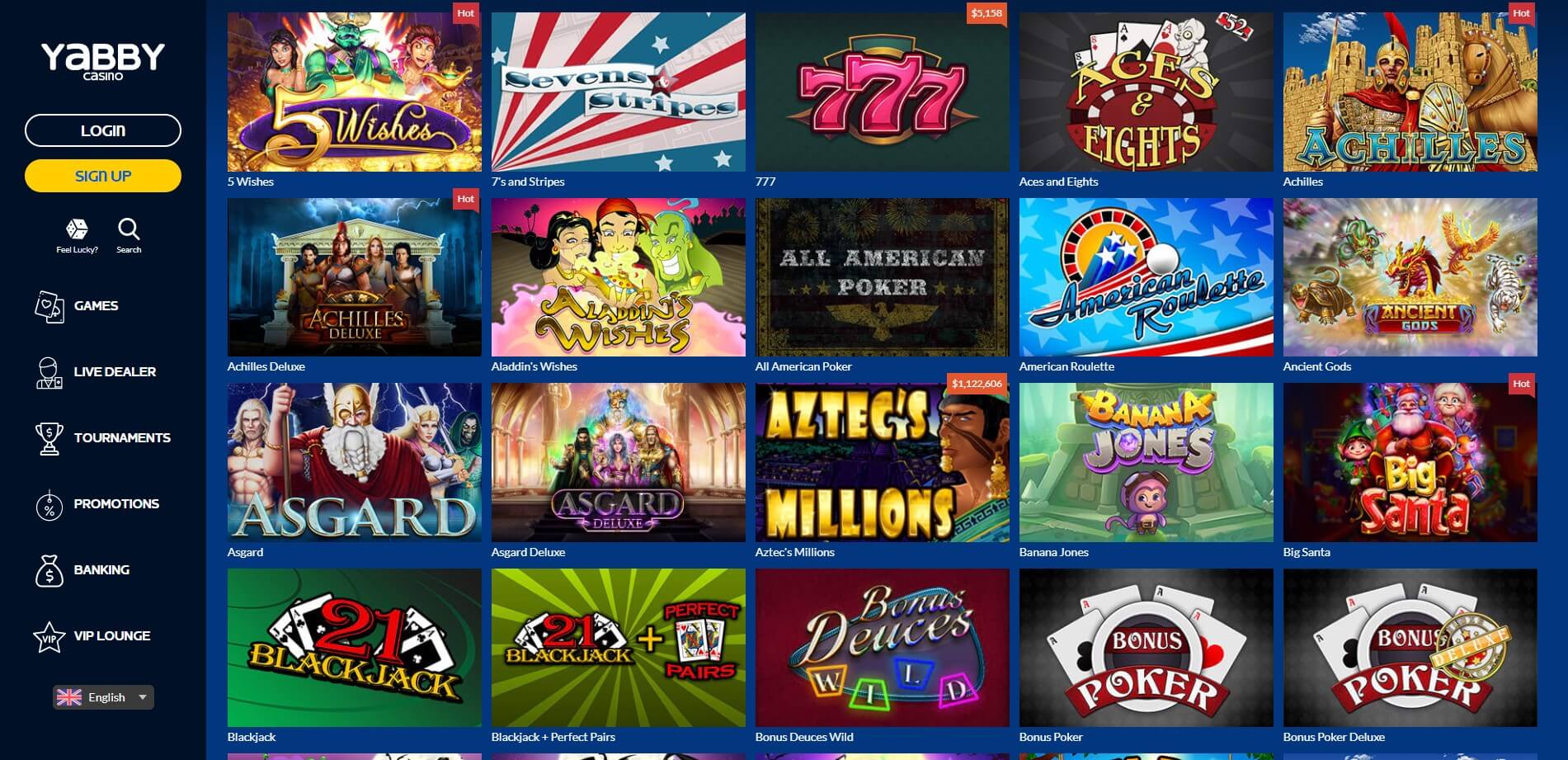
I deliberately subjected the platform to adverse network conditions because genuine players encounter dead zones, underground transit, and rural connectivity gaps. When I switched airplane mode during a slot spin, the game paused neatly and showed a reconnection dialogue that restored the session to the exact frame where the interruption occurred. The sportsbook section cached the latest odds before a planned disconnection, so I could nevertheless view the betting markets while offline even though placing bets remained disabled. This read-only caching is a smart middle ground that provides utility without creating regulatory complications around offline gambling. I evaluated the platform on a simulated 2G connection with 200ms latency, anticipating the interface to collapse into an unusable state. Instead, the critical path elements appeared first, presenting the login button and navigation skeleton while heavier assets loaded progressively. The live chat support gained from a queue system that kept my place in line when my connection dropped briefly, reconnecting me to the same representative rather than forcing me to start over. For players in regions with inconsistent infrastructure or those who commute through tunnels frequently, this resilience engineering means the difference between a usable product and a frustrating one. I determined that the development team had dedicated significantly in offline-first design patterns, even though the platform technically requires persistent connectivity for real-money play.
Inclusive Design Elements That Scale Properly
I evaluated the accessibility deployment across devices because responsive design and inclusive design share technical foundations but demand distinct considerations. The colour contrast ratios met WCAG AA standards on both mobile and desktop, with the text overlaying game artwork using sufficient opacity to remain legible without washing out the visuals. The focus indicator, that often-overlooked outline showing which element is currently selected, appeared clearly when I navigated using the keyboard on desktop and persisted when I switched to mobile screen reader input. I tried the platform with the system font size increased to 150 percent on my phone, and the layout accommodated the larger text without horizontal overflow or clipped labels. The game rules and terms pages used proper semantic heading hierarchy, which screen readers rely on to build a mental map of the document structure. I recorded that the live dealer interface provided text-based alternatives for spoken dealer announcements, which aids hard-of-hearing players and also those in noisy environments who cannot use audio. The colour-blindness considerations extended beyond simple palette choices; the roulette betting grid used shape differentiation alongside colour coding, so players with deuteranopia could still distinguish the number categories. These accessibility decisions were consistent across every device I tested, indicating that the design system had accessibility rules baked into its component library rather than applied as a surface-level overlay. For a gambling platform where clear information presentation directly affects financial decisions, this thorough approach to inclusive design serves both ethical and commercial purposes.
Screen Reader Support Across Platforms
I tested the platform with VoiceOver on an iPad and TalkBack on an Android phone to assess the screen reader experience on mobile. The game lobby announced the number of available titles in each category and read the game names clearly without truncation. The bet placement interface used ARIA live regions to communicate changes in stake amounts and potential payouts, providing real-time feedback that sighted players receive visually. On desktop with NVDA screen reader active, the navigation landmarks enabled quick jumping between the main game area, account section, and support options. The deposit form displayed validation errors inline, reading the specific field that needed correction rather than a generic error message. I did observe that the live dealer stream lacked a continuous audio description track, an area where the entire industry has room to improve. However, the text-based result announcements in the chat window partially compensated for this gap. The consistency of screen reader behaviour across operating systems suggested that the development team had tested with actual assistive technology rather than relying solely on automated accessibility checkers. This is a notable differentiator when many online casinos treat accessibility as a compliance checkbox rather than a genuine user experience priority.